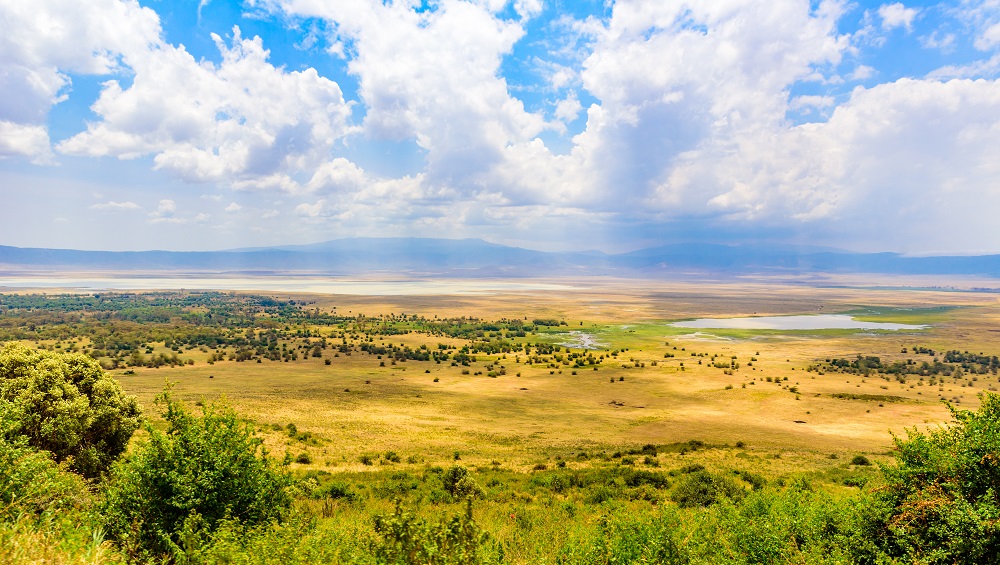
The integration of biodiversity and ecosystem protections into mining policy and legislation has emerged from an increased and expanding understanding— from the public, governments, and corporations—of ecological processes and ecosystem services; the economic importance of nature-based tourism; the close links between environmental health and community support for mining projects; and the operational and reputational risks that can result from destroyed, degraded, or disturbed biodiversity.
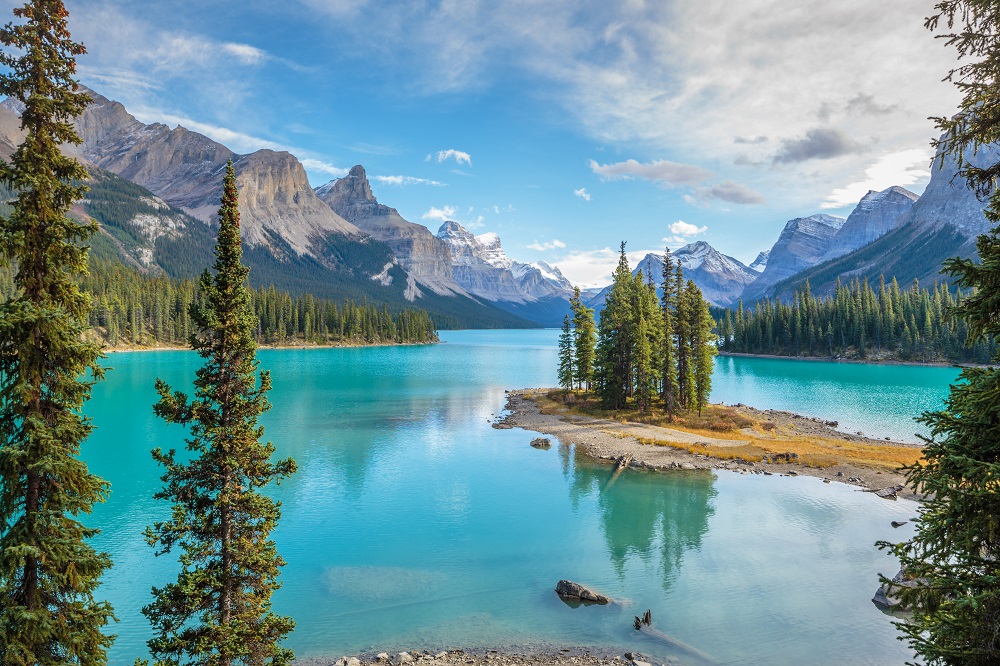
Canadian doctors are prescribing free passes to national parks – CNN
(CNN)Much has been said about the healing power of nature. Now, some medical professionals in Canada are increasingly prescribing it… Read more
About Monkeypox virus
Climate change is likely to exacerbate the rapid spread of viruses and pathogens as humans encroach on the natural world.
By
John Vidal is a former Guardian environment editor
The big lesson of Covid – and now of monkeypox – is that much infectious disease has its roots in ecological change. That means the health of the planet and the health of humans and must be considered alongside that of animals. It also means we should prepare now for the unexpected, invest in public health as never before, stop cutting down the forests, address climate change and phase out intensive farming. A “one health”, planetary approach to health is the best – and possibly the only – hope we have.
https://www.theguardian.com/commentisfree/2022/may/25/monkeypox-disease-climate-change
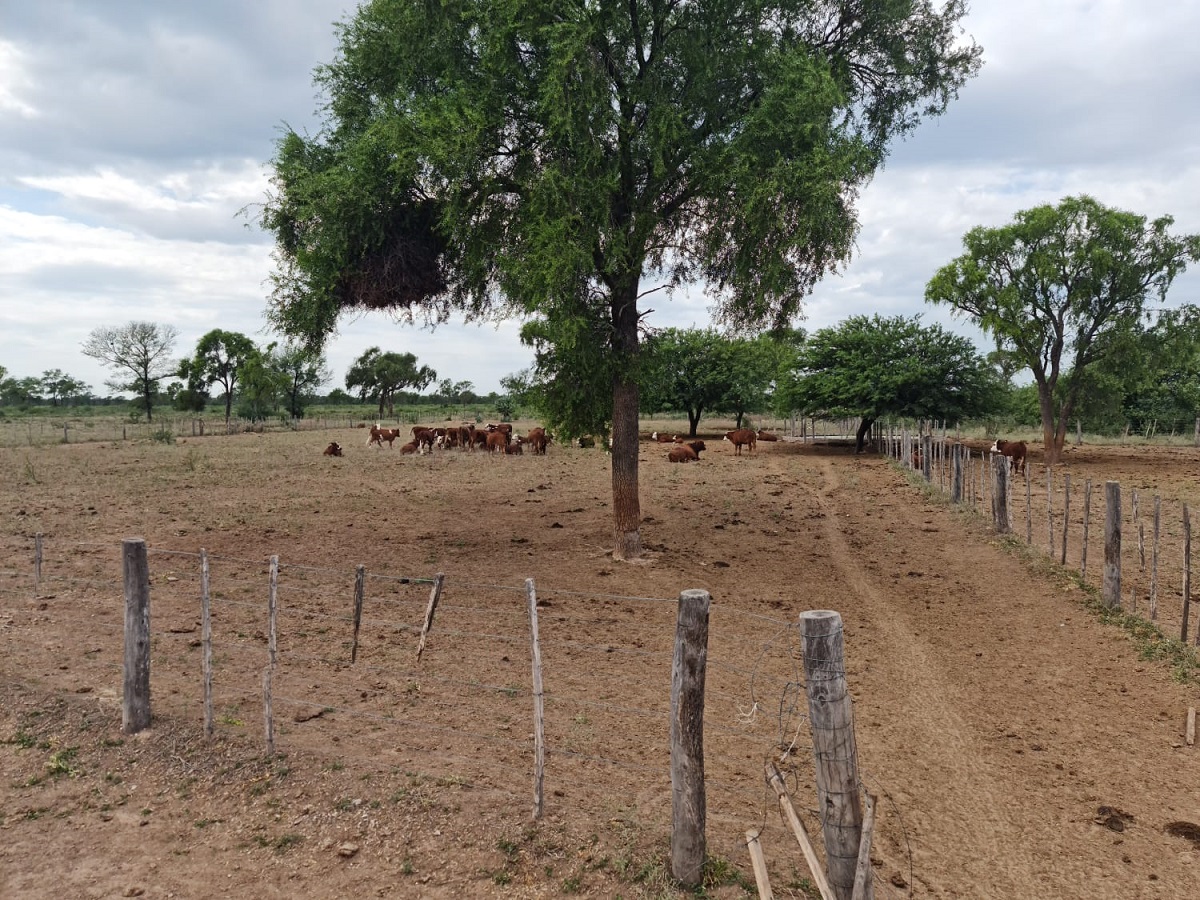
Reforestation Program in Argentina
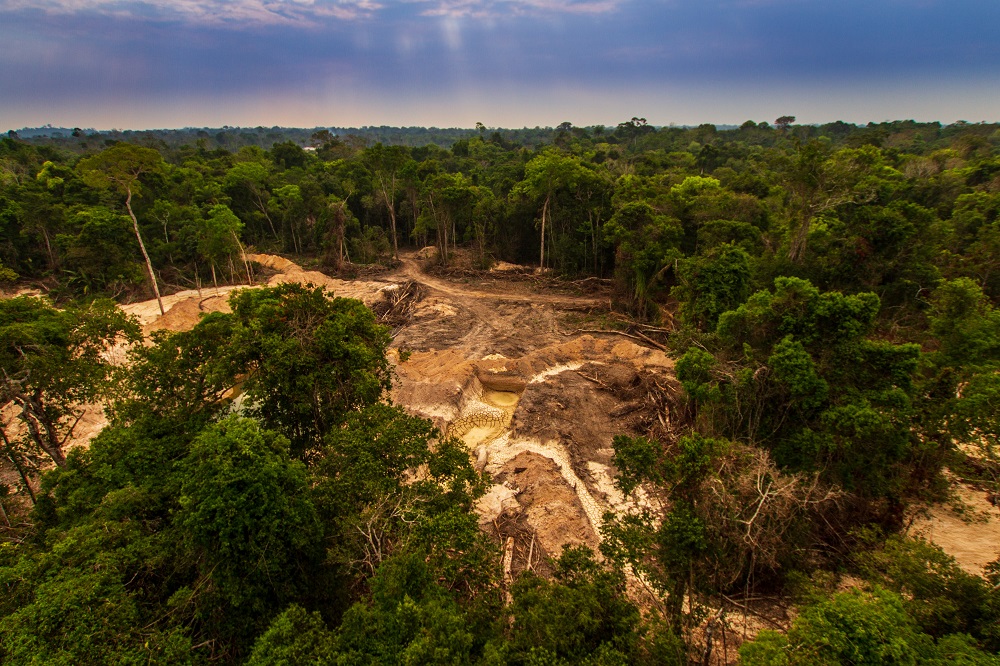
Brazil’s President Jair Bolsonaro gives green light for extensive gold mining in Amazon rainforest
RIO DE JANEIRO — Brazil’s President Jair Bolsonaro has issued two decrees to drive gold prospecting with a focus on the Amazon rainforest, according to the texts published Monday in the official gazette… READ MORE (ABC NEWS)
The Anatomy of the Carbon Market
The International Emissions Trading Association (IETA) GHG Market Report 2021 is out! « The Anatomy of the Carbon Market » Report takes a look at what drives the market, what makes it work, and how it’s kept healthy. We invite you to have a close look at the « Growing a healthy VCM » article by ICROA’s Managing Director, Andrea Abrahams.
https://www.ieta.org/resources/Resources/GHG_Report/2021/IETA-2021-GHG-Report.pdf
Energy Globe Award / Winner: Solicaz
With the Project:
Organic soil fertility management in Amazon basin (French Guiana)
Romane Miradoli, membre de l’équipe française de ski alpin, a demandé à ATHYS de calculer son empreinte carbone et de travailler sur un programme de compensation.
Championne de France de ski, Romane Miradoli, plante 100 arbres pour réduire son empreinte carbone à la veille des Jeux Olympiques d’hiver 2022 à Pékin.
TV 8 Mont-Blanc / Le Dauphiné Libéré
Romane Miradoli, membre de l’équipe de France de ski alpin a sollicité d’ATHYS pour faire le calcul de son empreinte carbone et de travailler sur un programme de compensation.
L’impact des grandes compétitions sportives sur l’environnement est pointé du doigt.
Même s’il est indiscutable que le sport professionnel a un rôle social avéré, son empreinte carbone doit être réduite à l’heure où le Groupe d’experts intergouvernemental sur l’évolution du climat (le GIEC) tire la sonnette d’alarme.
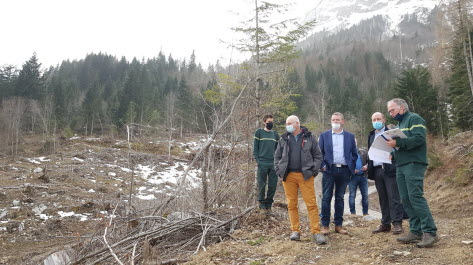
À quelques semaines du début des premières épreuves de la Coupe du monde de ski alpin, ce n’est pas au bord des pistes mais bien dans la forêt de Magland, en face du Mont-Blanc, que la championne de ski, accompagnée d’une dizaine de volontaires, a pris part à une à l’opération de reboisement, mise en place par ATHYS. En une après-midi, 100 arbres ont été plantés ! La skieuse haut-savoyarde explique le but de cette action.
(texte interprété des interviews respectifs de Manon Touati / TV 8 Mont Blanc et Manon Baffi / Le Dauphiné Libéré)
French ski champion, Romane Miradoli plants 100 trees to reduce her carbon footprint on the eve of the 2022 Olympic Winter Games in Beijing.
(TV 8 Mont-Blanc / Le Dauphiné Libéré)
Romane Miradoli, member of the French alpine ski team asked ATHYS to calculate her carbon footprint and work on a compensation program.
The impact of major sports competitions on the environment is pointed out.
While it is indisputable that professional sport has a proven social role, its carbon footprint must be reduced as the Intergovernmental Panel on Climate Change (IPCC) rings the alarm bells.
A few weeks before the start of the Alpine Skiing World Cup, it is not at the edge of the slopes but in the forest of Magland, opposite the Mont-Blanc, that the ski champion, accompanied by about ten volunteers, took part in a reforestation operation, set up by ATHYS. In one afternoon, 100 trees were planted! The Haute-Savoie skier explains the aim of this action
(modified texts respectively from Manon Touati / TV 8 Mont Blanc et Manon Baffi / Le Dauphiné Libéré)
Initiative citoyenne pour le reboisement de la forêt de Magland (Youtube)
La skieuse Romane Miradoli plante 100 arbres pour réduire son empreinte carbone (Ultimedia)

Magland: 87 hectares of trees to be planted following the storm
Senator of Haute-Savoie, Loic Hervé, supports ATHYS in identifying private funds into the Pays du Mont-Blanc reforestation programme.
(Dauphiné Libéré Newpapers March 2021)
PDF dauphine reforestation maglandELLE MAG / Fashion & Sustainability
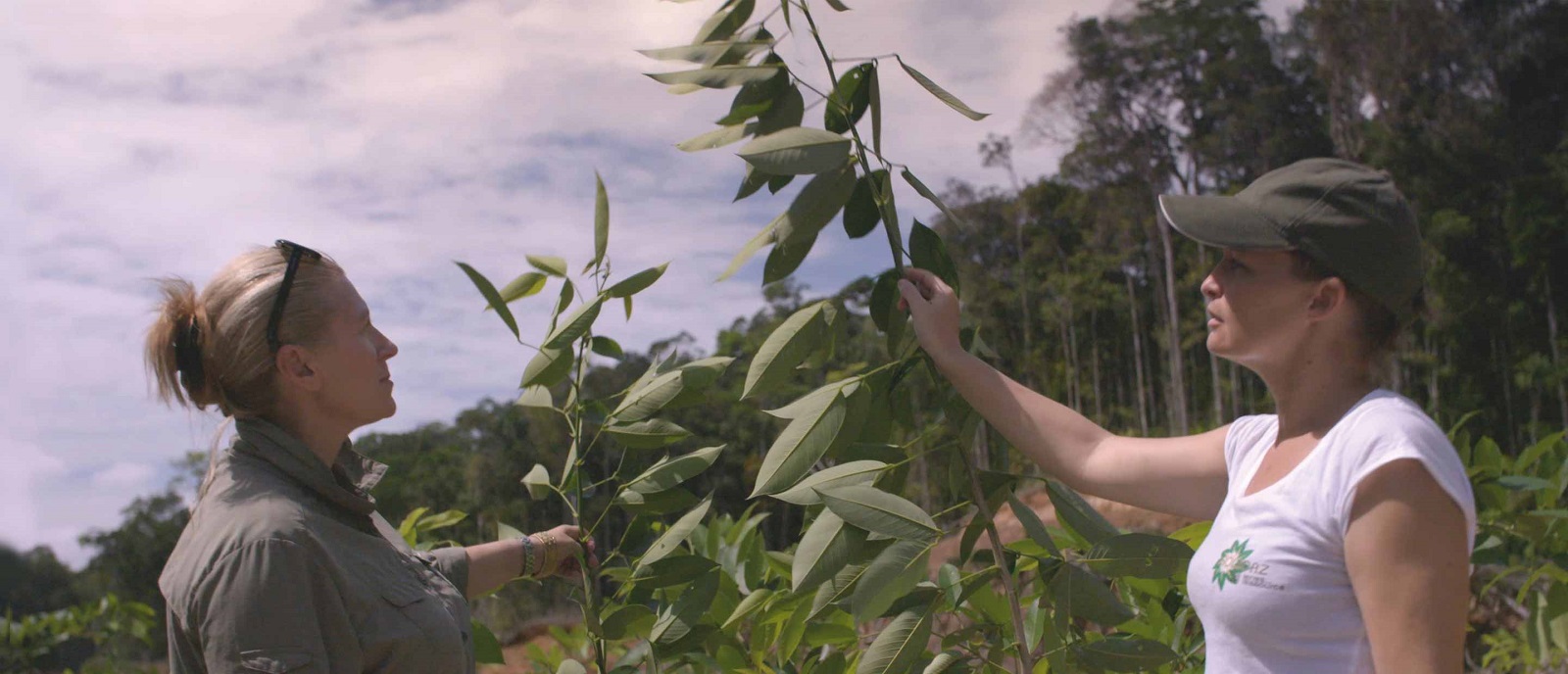
Marie-Claire Daveu, Kering Sustainability Chief Officer, with Élodie Brunstein, Solicaz co-founder, in the field of a Kering reforestation project.
3902-KeringBAT